Vestigiality
Junk science
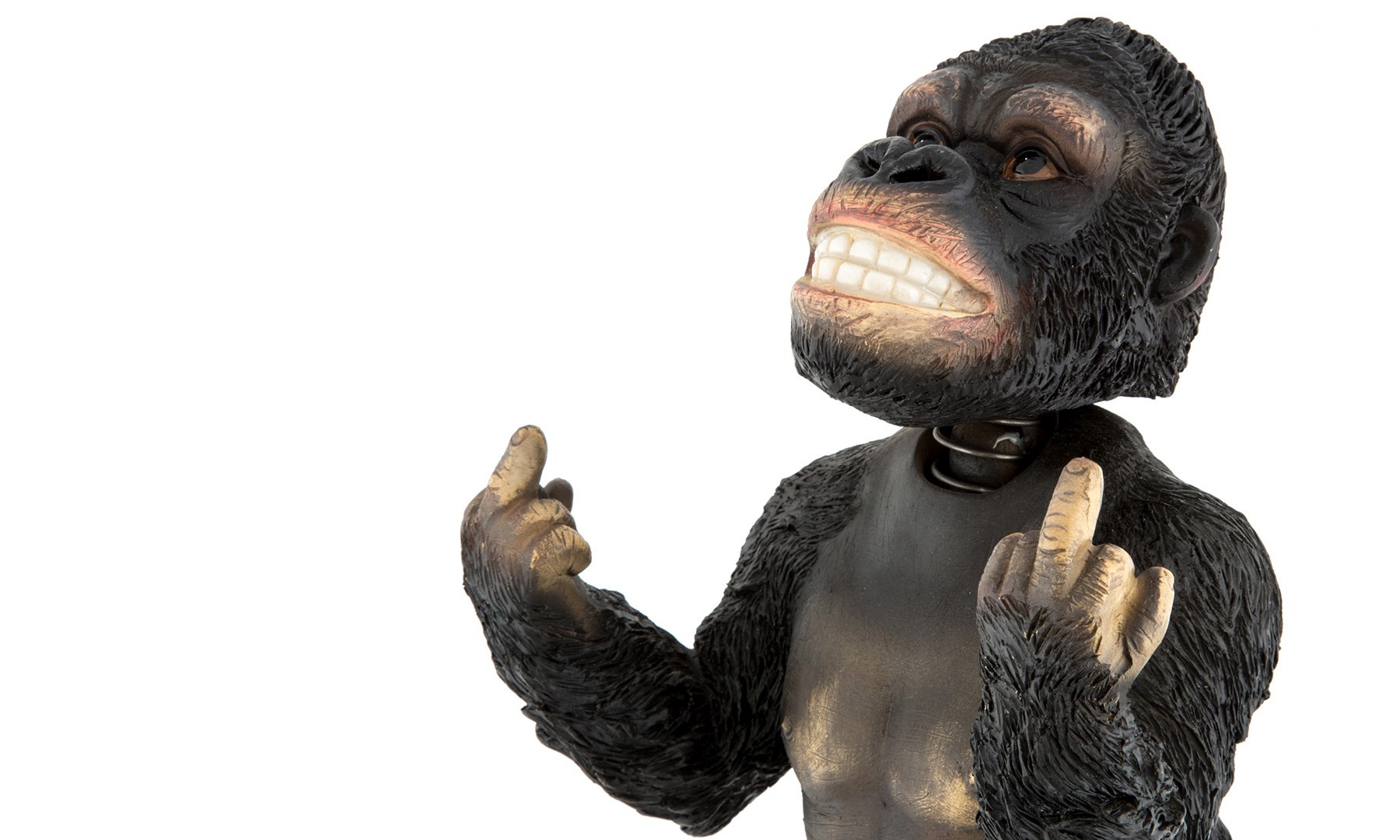
According to evolutionary pseudoscience some bodyparts of life forms, which are believed to have lost some or all of their function, are the useless remains of evolution. It's called vestigiality. Charles Darwin said:Rudimentary organs ... are useless, or nearly useless, and consequently are no longer subjected to natural selection.* Evolutionist Douglas Futuyma said thatvestigial structures make no sense without evolution.* If evolution were true, we would not only expect to see many developing bodyparts, but also many useless remains of bodyparts in life forms. But this is not the case. With the advancement of science more and more functions are discovered of bodyparts once believed to be useless. And if some bodyparts did loose some of their function it is not evidence for evolution, but rather for evolution in the wrong direction; degeneration.
Flightless cormorant
Fanatic evolutionist and atheist Richard Dawkins said that vestigial organs areone of Darwin's key arguments.He uses the flightless cormorant as a perfect example because it apparently lost the ability to fly. However...
According to science, flightless cormorants are water birds with elongated bodies, short legs with large webbed feet, and long necks with long, hooked bills used for catching fish underwater.** They are fully functional animals which don't need to fly, just like penguins. Their wings are smaller to improve their buoyancy which facilitates underwater pursuit of fishes.** Their wings are designed such that they contain a layer of insulating air and only the outer layer becomes wet when they go underwater. They spread their wings in the sun to dry and to enjoy the sun after a cold dive. Perhaps there are other reasons we simply don't know about, because science is limited and evolutionists are not very eager to find any uses because it would undermine their so-called "evidence" for evolution.
Even from an evolutionary point of view it doesn't make sense that once fully functional wings evolved into non-functional wings, but evolutionists believe it nonetheless, making up all kinds of silly arguments to fit with that belief. Ignorant and arrogant evolutionists like Richard Dawkins are a disgrace to science.
The appendix
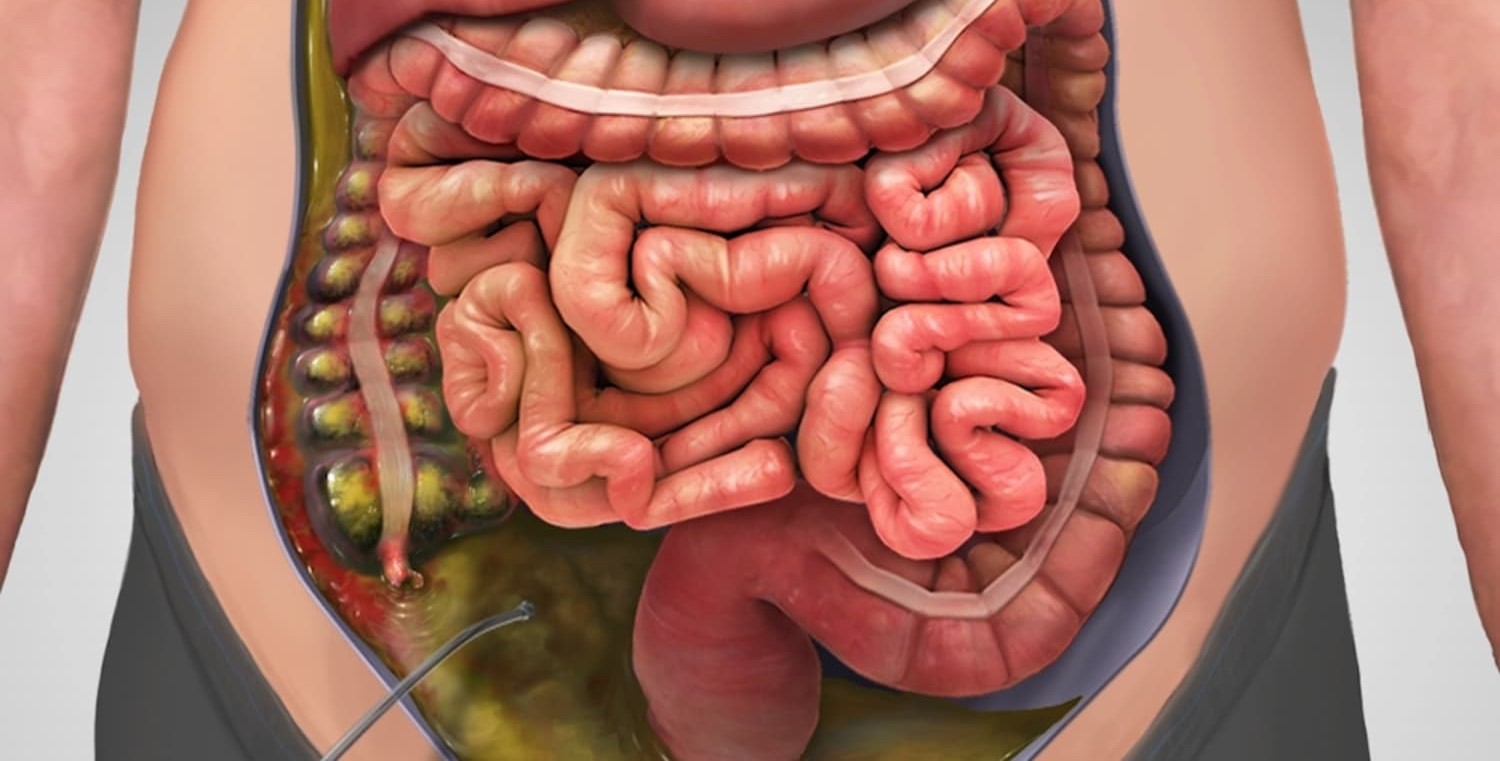
In his book Why Evolution Is True, published in 2009, fanatic evolutionist Jerry Coyne wrote:we humans have many vestigial features proving that we evolved. The most famous is the appendix.* However, in a scientific article from 2009 we read...
Duke University Medical Center - Evolution Of The Human Appendix: A Biological 'Remnant' No MoreThe lowly appendix, long-regarded as a useless evolutionary artifact, won newfound respect two years ago when researchers at Duke University Medical Center proposed that it actually serves a critical function. The appendix, they said, is a safe haven where good bacteria could hang out until they were needed to repopulate the gut after a nasty case of diarrhea, for example.*
As opposed to what silly evolutionists tell the world, the appendix has a very important function, it serves as a storehouse for probiotics and provides a variety of immune-related functions. These functions are of course downplayed by fanatic evolutionists like Jerry, because true science is not their business. Loosing bodyparts or functions of bodyparts is not making the life form better fit for survival, but contrary to their own theory, hardnosed evolutionists will try to make themselves and the world believe so. Vestigial bodyparts are better explained as degeneration, the opposite of evolution.
Tailbone

Molly Glick - Most humans don’t have tails. So why do we have the bones for it? On the origin of our useless tailbonesThough it’s currently useless, the human coccyx—commonly referred to as the tailbone—remains nestled at the bottom of the spine, a remnant of our tailed ancestors. Long before human tail-lessness, our early fish relatives had two: A fleshy one and a more flexible fin. As animals took to land, they lost the back fin and kept the fleshier appendage.*
As opposed to what these silly evolutionists tell the world, the human tailbone is not useless. The coccyx is an attachment point of a number of muscles around the pelvis, it helps with sitting, and we need it for upright locomotion. It would be catastrophic if it went away.* Evolution theory is literally cobbled together with silly just-so stories and monkey science.
Wisdom teeth
 Rachele Cooper - Why Do We Have Wisdom Teeth?Anthropologists believe wisdom teeth ... were the evolutionary answer to our ancestor’s early diet of coarse, rough food – like leaves, roots, nuts and meats – which required more chewing power and resulted in excessive wear of the teeth. The modern diet with its softer foods, along with marvels of modern technologies such as forks, spoons and knives, has made the need for wisdom teeth nonexistent. As a result, evolutionary biologists now classify wisdom teeth as vestigial organs, or body parts that have become functionless due to evolution.*
Charles Darwin said:It appears as if the posterior molar or wisdom-teeth were tending to become rudimentary in the more civilised races of man.* Evolution theory dumbs down those who believe it. In the modern world people still eat food like "leaves, roots, nuts and meats". Having wisdom molars is more beneficial than not having them. The fact that some people have problems with wisdom teeth, and need to pull an otherwise useful pair of chewing aids, rather shows degeneration, the opposite of evolution. What a joke.
Leonard MS - Removing third molars: a review for the general practitionerIt is now widely acknowledged today that these teeth are not rudimentary or vestigial: they aid in chewing our food as do all of our other 28 teeth. The outdated vestigial organ conclusion, though, has influenced the extraction of billions of teeth, the removal of many which may have been unnecessary according to current research.
Jay W. Friedman - The Prophylactic Extraction of Third Molars: A Public Health HazardThird-molar surgery or the removal of the impacted third molars is a multibillion-dollar industry generating significant income for the dental practitioners, particularly oral and maxillofacial surgeons. It is driven by myths and misinformation that have been exposed before but that continue to be propagandized by the profession.
Many evolutionists sell wisdom teeth as useless remains of evolution, presenting the world with their common just-so stories to fit with their evolutionary worldview. But wisdom teeth aid in chewing. Today wisdom teeth are no longer pulled for no reason, but only when they cause trouble. The trouble is likely caused by genetic entropy, i.e. degeneration.
Body hair
 Bridget Alex - What Happened When Humans Became HairlessReduced body hair enhanced the cooling capacity of sweat, a crucial adaptation in our ancestors’ hot, savanna-like environments. ... Researchers think fur loss coincided with eccrine gland gain in our evolutionary story, as paired adaptations for better sweating. But the details on when and how are still patchy.*
Evolutionary just-so stories without end. However...
Wikipedia - Body hairAndrogenic hair provides tactile sensory input by transferring hair movement and vibration via the shaft to sensory nerves within the skin. ... Androgenic hair extends the sense of touch beyond the surface of the skin into the air and space surrounding it, detecting air movements as well as hair displacement from contact by insects or objects.
Wikipedia - Hair plexusA hair plexus or root hair plexus is a special group of nerve fiber endings and serves as a very sensitive mechanoreceptor for touch sensation. Each hair plexus forms a network around a hair follicle and is a receptor, which means it sends and receives nerve impulses to and from the brain when the hair moves.
The function of body hair is even on biased Wikipedia.
Goose bumps
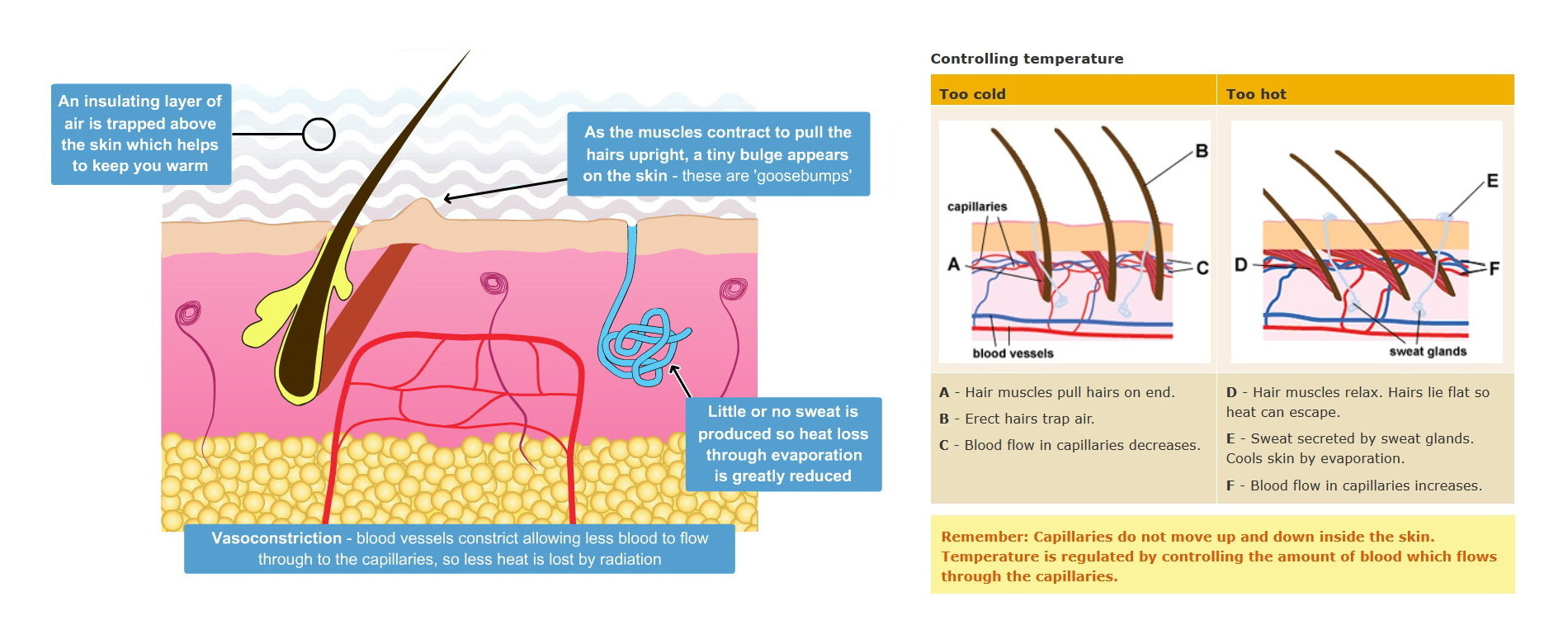
Scientific American - Why do humans get 'goosebumps'?Goosebumps are a physiological phenomenon inherited from our animal ancestors, which was useful to them but are not of much help to us.*
According to silly evolutionary pseudoscience goosebumps are useless. However, according to true science...
Marshall Cavendish Illustrated Encyclopedia of Family HealthWhen a person is confronted with fear or cold, muscle fibers contract in the skin, forming goose bumps. This muscular activity produces heat, and thus raises the body temperature.
BBC - Homeostasis: Temperature regulationBlood vessels leading to the skin capillaries become narrower - they constrict - letting less blood flow through the skin and conserving heat in the body.*
Jessica Lau - Getting to the bottom of goosebumpsThe sympathetic nerve reacts to cold by contracting the muscle and causing goosebumps in the short term, and by driving hair follicle stem cell activation and new hair growth over the long term.*
Goosebumps, by causing hairs to stand erect, extend the reach of our tactile sense to it's maximum distance beyond the skin. They also cause the hair shafts to separate which reduces the amount of dampening of movements and vibrations, thus increasing sensitivity to small stimuli. Someone commented on a fanatic evolution blog:How is it possible that people who live immersed their whole lives in the sensory input from their hairs not notice? How can academics who study the evolution of human skin and hair not recognise the connection between goosebumps and the touch sensitivity of hairs?** It has to do with paradigm paralysis and disingenuity.
Junk DNA
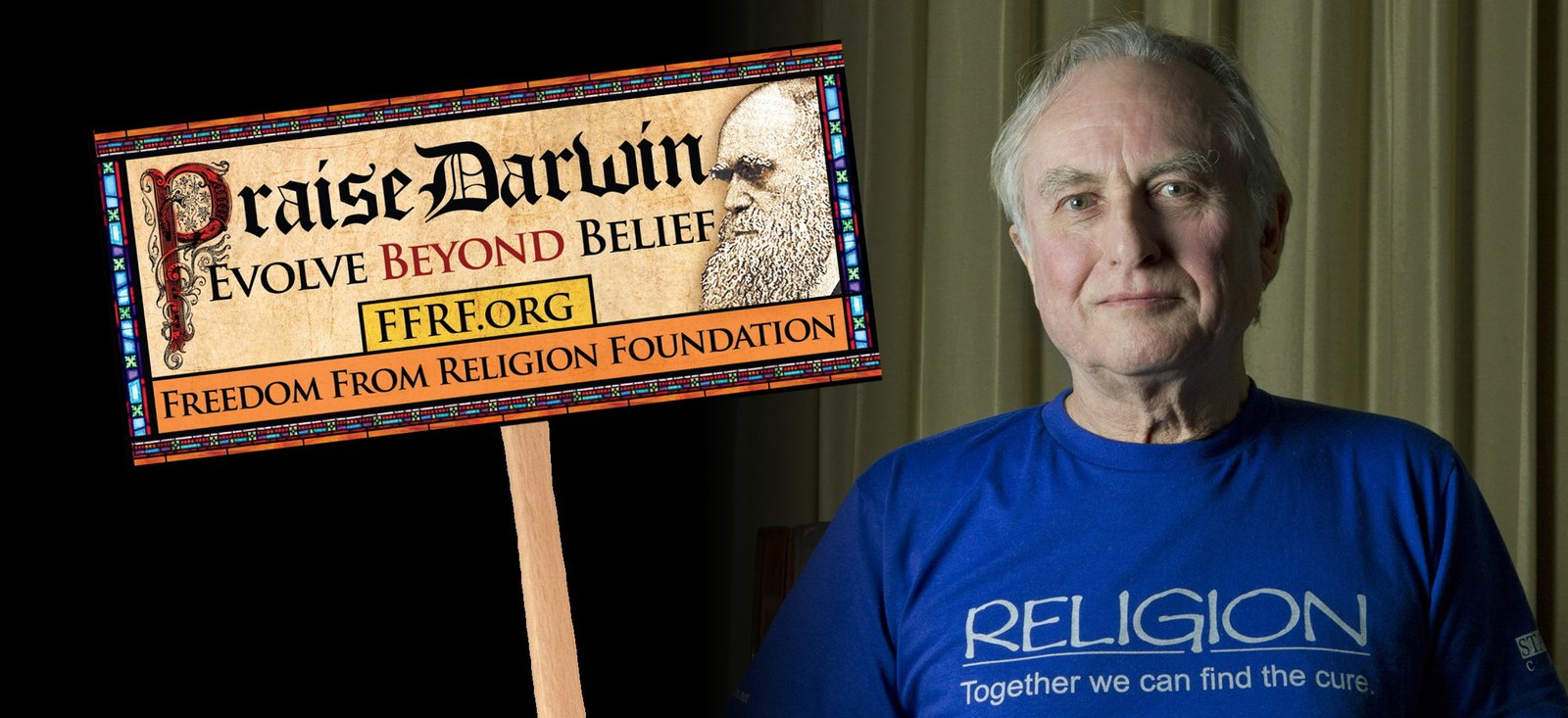
Richard Dawkins - The Greatest Show on earth: The Evidence for EvolutionIt is a remarkable fact that the greater part (95 per cent in the case of humans) of the genome might as well not be there, for all the difference it makes.
In this book, hailed by many evolutionists and atheists around the world, this fanatic said that 95% of the human genome is useless junk. This man used to be "Professor for the Public Understanding of Science at Oxford University" and he is hailed by many like-minded fanatics of evolution around the world. However...
ENCODE: The Encyclopedia of DNA Elements
Pink et al - Pseudogenes: Pseudo-functional or key regulators in health and disease?Pseudogenes have long been labeled as "junk" DNA, failed copies of genes that arise during the evolution of genomes. However, recent results are challenging this moniker; indeed, some pseudogenes appear to harbor the potential to regulate their protein-coding cousins. Far from being silent relics, many pseudogenes are transcribed into RNA, some exhibiting a tissue-specific pattern of activation.
ENCODE Project - An Integrated Encyclopedia of DNA Elements in the Human GenomeThe human genome encodes the blueprint of life, but the function of the vast majority of its nearly three billion bases is unknown. The Encyclopedia of DNA Elements (ENCODE) project has systematically mapped regions of transcription, transcription factor association, chromatin structure, and histone modification. These data enabled us to assign biological functions for 80% of the genome, in particular outside of the well-studied protein-coding regions.
Omar McCrimmon - ENCODE data describes function of human genome...Researchers linked more than 80 percent of the human genome sequence to a specific biological function and mapped more than 4 million regulatory regions where proteins specifically interact with the DNA. These findings represent a significant advance in understanding the precise and complex controls over the expression of genetic information within a cell. The findings bring into much sharper focus the continually active genome in which proteins routinely turn genes on and off using sites that are sometimes at great distances from the genes themselves. They also identify where chemical modifications of DNA influence gene expression and where various functional forms of RNA, a form of nucleic acid related to DNA, help regulate the whole system.
Nessa Carey called the evolutionary junk DNA belief:a pretty classic example of the surprisingly common phenomenon in biology where, if we don't know something, we assume there is nothing to know. Whoops.** Thanks to true science much of the genome that is being disputed by critics is shown to be involved in epigenetic regulation such as gene expression and appears to be necessary for the development of complex organisms. It's a lot more complex than silly evolutiontits ever thought.** With time true science discovers more and more specified complexity in the design of life. Junk DNA is another example where evolutionists with their preconceived belief obstruct scientific research in for example the field of genetics. Chris Ponting said thatamazingly, there were calls from some sections to only map the bits of genome that coded for protein - mapping the rest was thought to be a waste of time. It is very lucky that entire genomes were mapped, as this work is showing.**
Junk science

Nick Matzke - ENCODE hype? From now on I'll just reply: #oniontestSkepticism has arisen spontaneously from all over the scientific blogosphere, facebook, and twitter. You see, most of us scientists know that ENCODE is using an extremely liberal and dubious definition of "function", basically meaning "some detectable chemical activity". ... All the evidence for relative nonfunctionality which has been known for decades is still there and hasn't really changed. ... But I'm beginning to think that certain parts of molecular biology and bioinformatics are populated with people who are very smart, but who got through school with a lot of detailed technical training but without enough broad training in basic comparative biology.*
Panda's Thumb is a fanatic pro-evolution blog supported by the world of mainstream science. Nick Matzke is a fanatic evolutionist who is linked to mainstream science organization NCSE.* In this article he tries to downplay the hardcore scientific research done by the prestigious Human Genome Project. He even goes so far as to say that those scientists need more indoctrination from "comparative" biology. As its name already suggests, "comparative" biology is based on metaphysics and the unprovable philosophy naturalism, while the research he criticizes is true science.