Idolatry
The second commandment
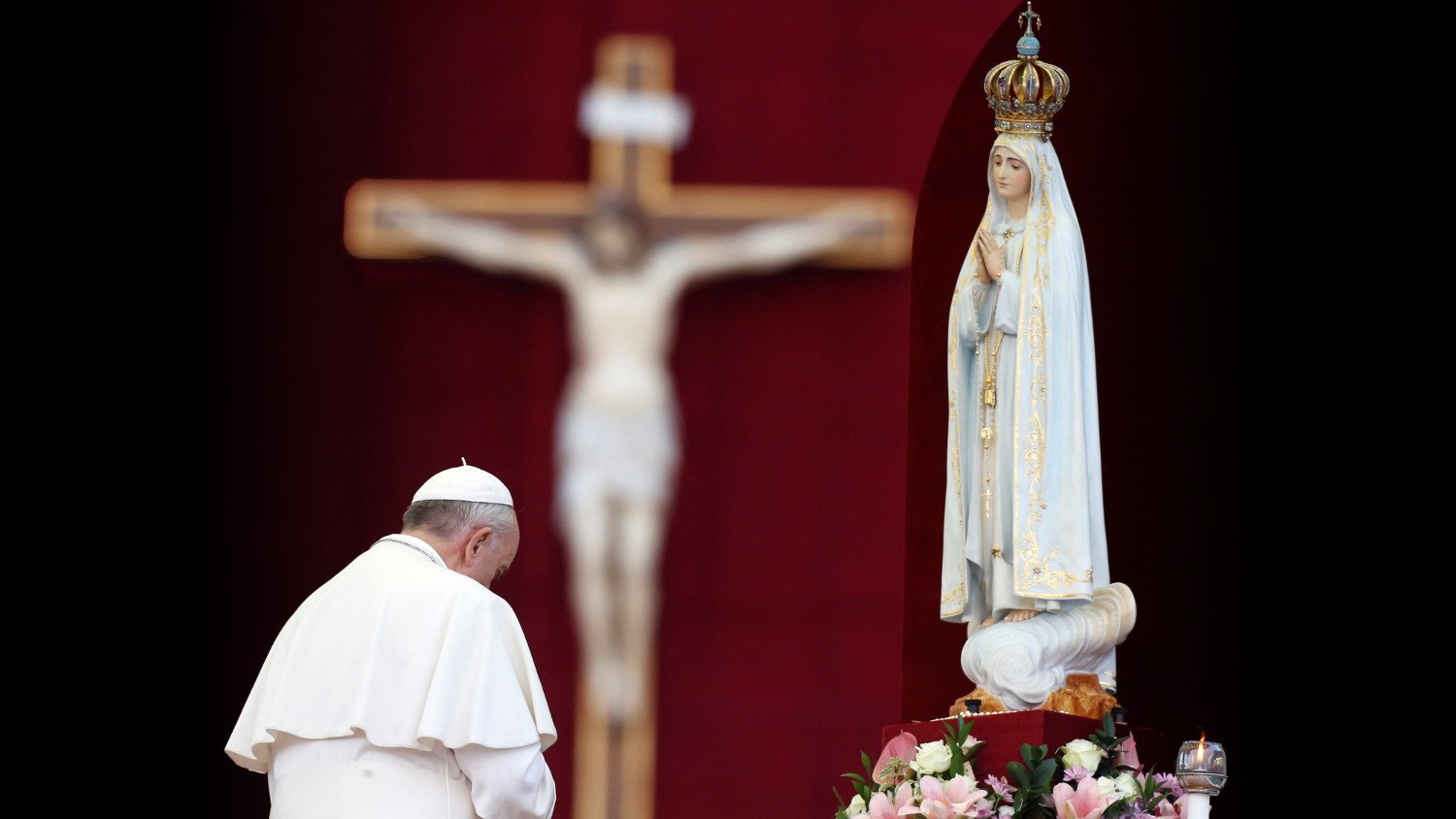
Idolatry is the worship of an idol or a physical object as a representation of a god. It is condemned by God. The ten commandments according to God can be found in Exodus 20:2-17 and Deuteronomy 5:6-21. The second commandment goes as follows...
Exodus 20:4-6 (ESV)You shall not make for yourself a carved image, or any likeness of anything that is in heaven above, or that is in the earth beneath, or that is in the water under the earth. You shall not bow down to them or serve them, for I the Lord your God am a jealous God, visiting the iniquity of the fathers on the children to the third and the fourth generation of those who hate me, but showing steadfast love to thousands of those who love me and keep my commandments.
And here are the ten commandments according to the Catholic Church...
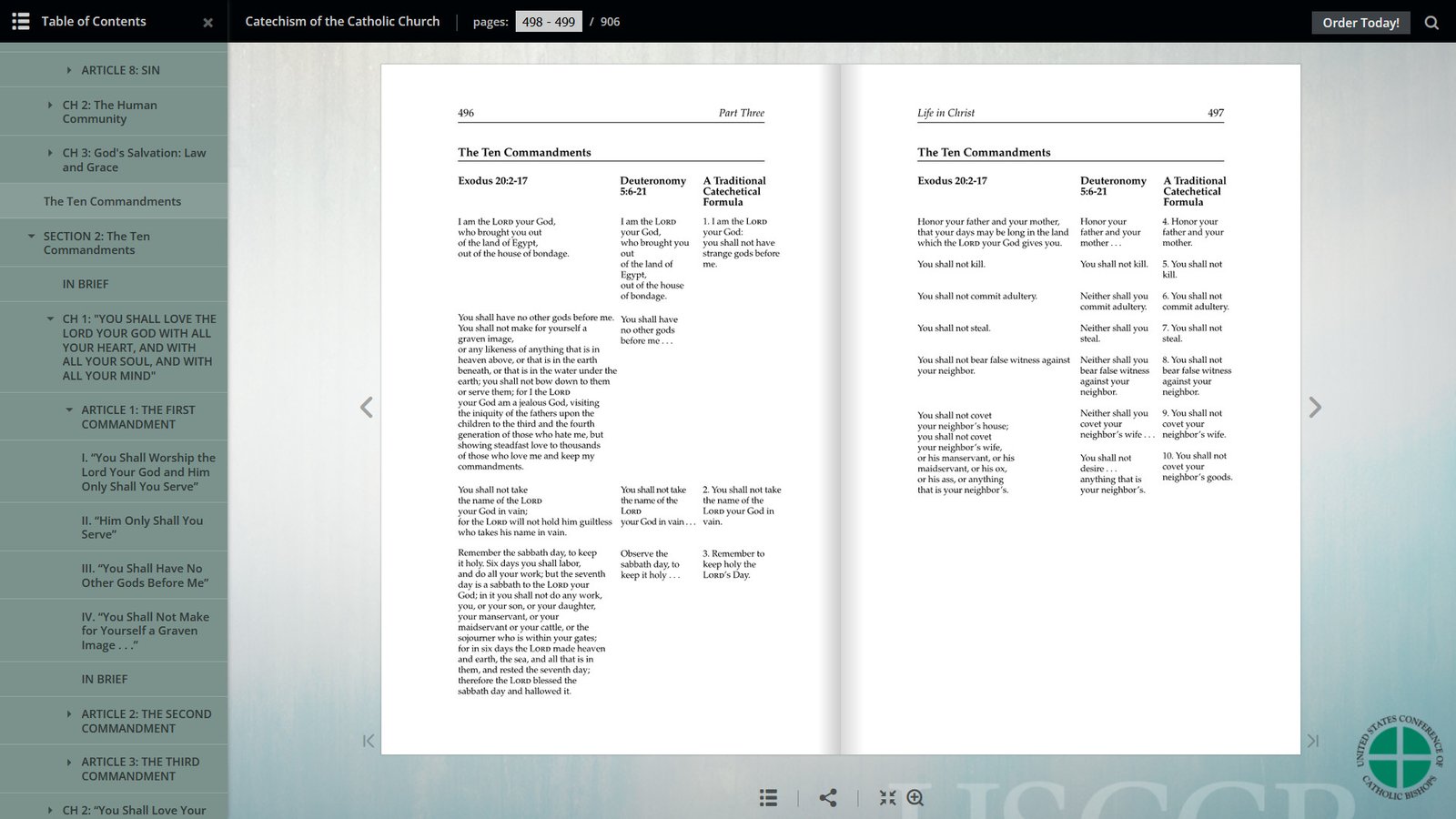
The Catholic Church removed the second commandment. The reason is obvious. Catholicism is literally drenched in idolatry. Catholic churches are full of images and statues.
Mariology
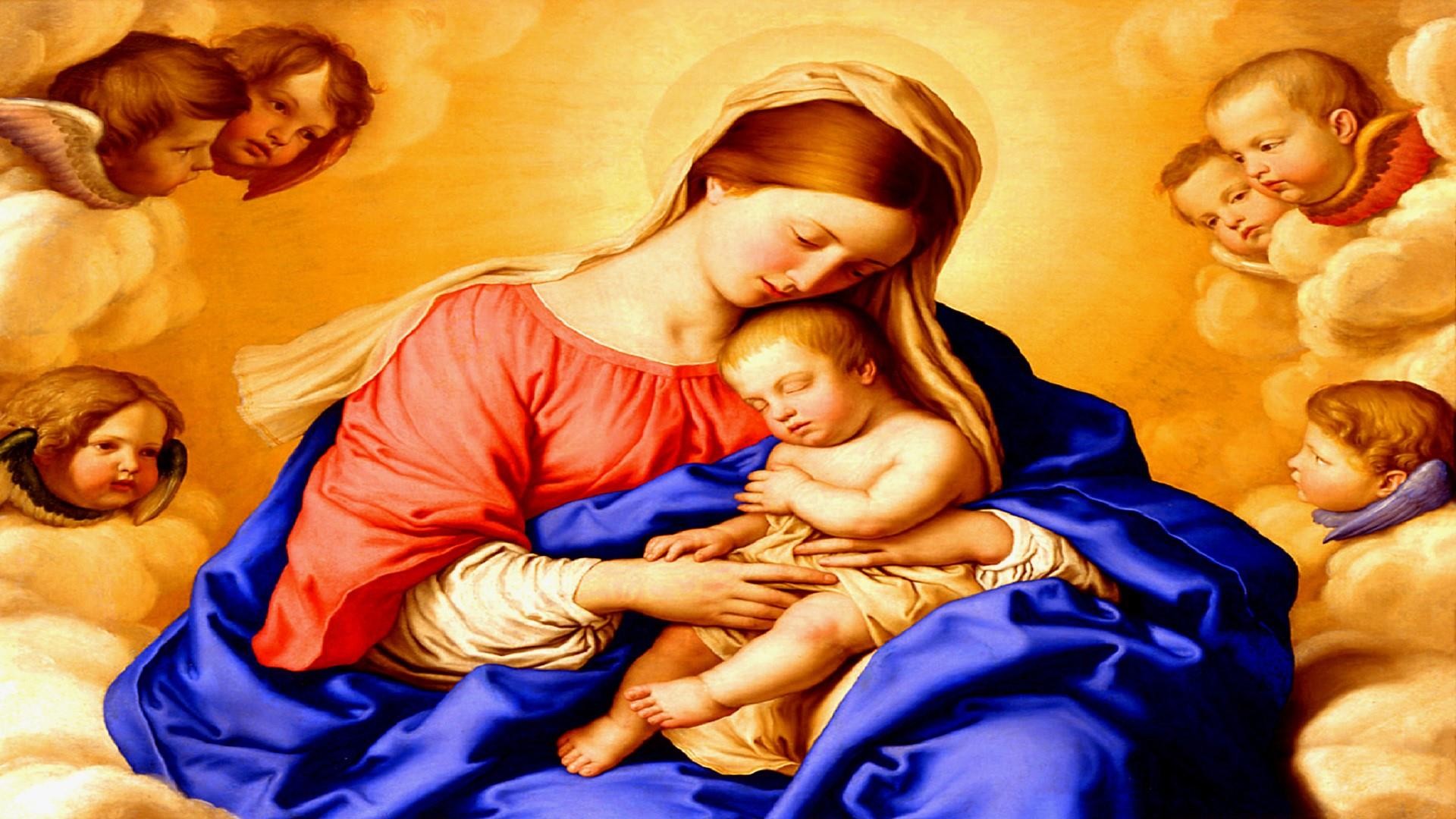
Wikipedia - Veneration of Mary in the Catholic ChurchThe veneration of Mary in the Catholic Church encompasses various devotions which include prayer, pious acts, visual arts, poetry, and music devoted to her.*
According to the cathechism of the Catholic Church:Mary is truly "Mother of God" since she is the mother of the eternal Son of God made man, who is God himself.** Mary's mothership of God and Jesus being God are dogmas of the Catholic Church. Mary has been honored and venerated as Mother of God since the first centuries of Christianity.** The idea of a "mother of God" is not only completely ridiculous, but it's also completely unscriptural. Mary is not the mother of God, just like the Son of God is not God the Father. The origin of a "Mother of God" comes from ancient pagan religions...
 Wikipedia - IsisIsis was a major goddess in ancient Egyptian religion whose worship spread throughout the Greco-Roman world. ... She was believed to help the dead enter the afterlife as she had helped Osiris, and she was considered the divine mother of the pharaoh, who was likened to Horus. Her maternal aid was invoked in healing spells to benefit ordinary people.*
The similarities are obvious.
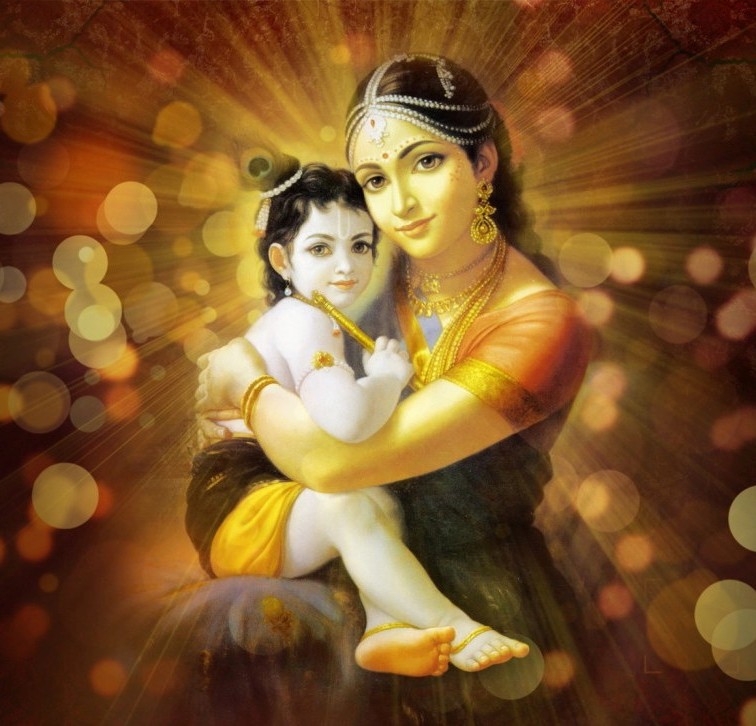 Wikipedia - YashodaYashoda is the foster-mother to the god Krishna... This reference to light is reminiscent of the Vedic hymn "To an Unknown Divine," which refers to a Golden Child. According to F. M. Müller, this term means "the golden gem of child" and is an attempt at naming the sun. ... It clearly describes in the Vishnu Purana that Krishna was born on earth to destroy sin.
The myth of the mother goddess is of course deeply pagan. God forewarned for these ungodly practices...
Judges 2:11-13 (TS2009)Then the children of Yisrael did evil in the eyes of YHWH, and served the Ba‛als, and forsook YHWH Elohim of their fathers, who had brought them out of the land of Mitsrayim, and went after other mighty ones, of the mighty ones of the people who were all around them, and they bowed down to them, and provoked YHWH. So they forsook YHWH and served Ba'al and the Ashtoreths.
Ba'al is linked to Satan. Ashtoreth is a mother goddess who appears in a number of ancient sources. Astarte, Ishtar, Isis, Aphrodite, Inanna, Venus... Mary is traced back to pagan Babylonian and Mesopotamian myths. Next to that the Catholic church calls Mary the Queen of Heaven,* just like there were many Queens of Heaven throughout ancient pagan religions.*
VaticANUS
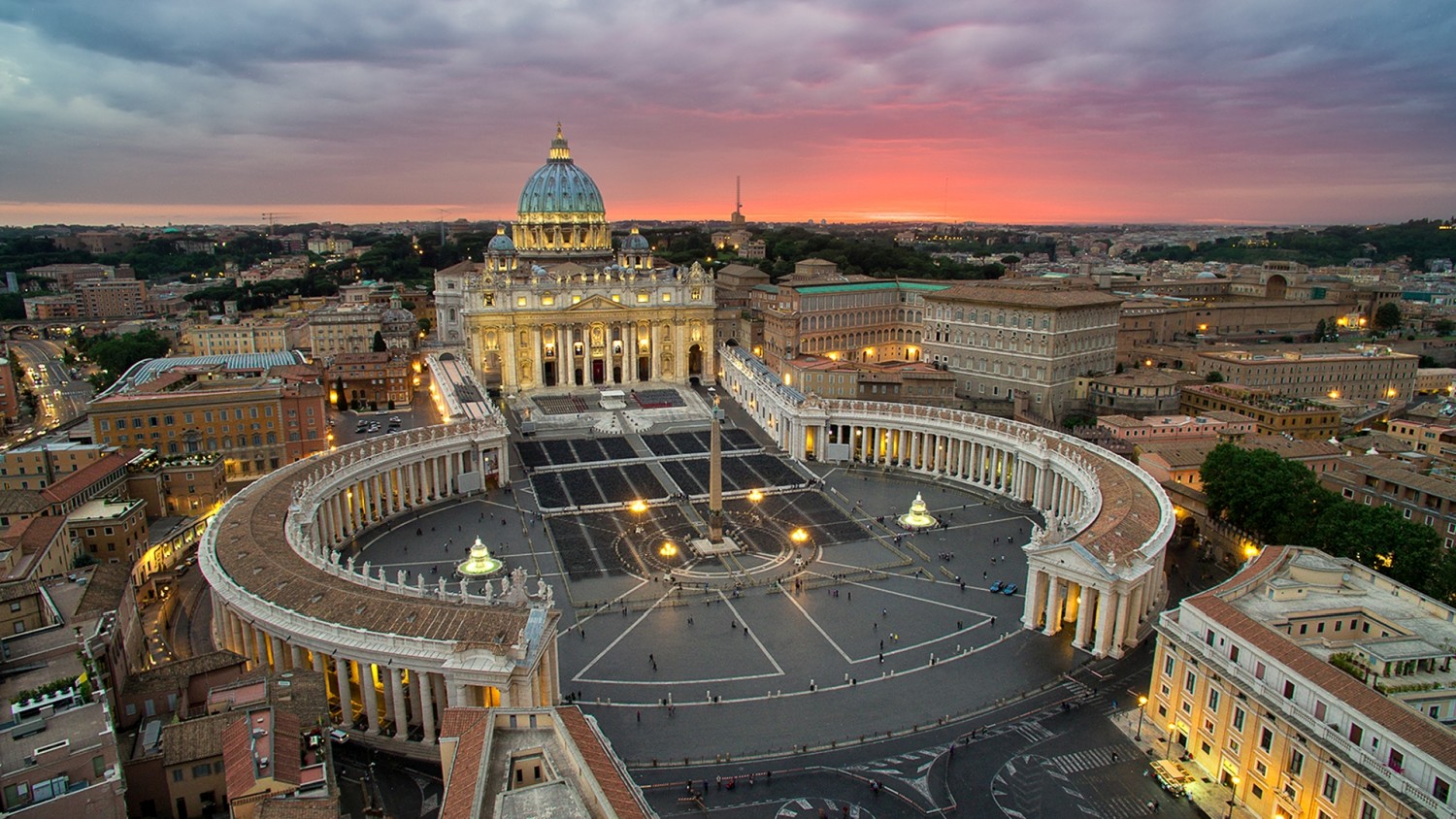
The pagan obelisk at Saint Peter's Basilica was stolen from pagan Egypt, it is linked to pagan sun worship. Around the obelisk there is a pagan wheel of the year or the star of Ishtar in honour of Ishtar, the pagan Queen of Heaven.
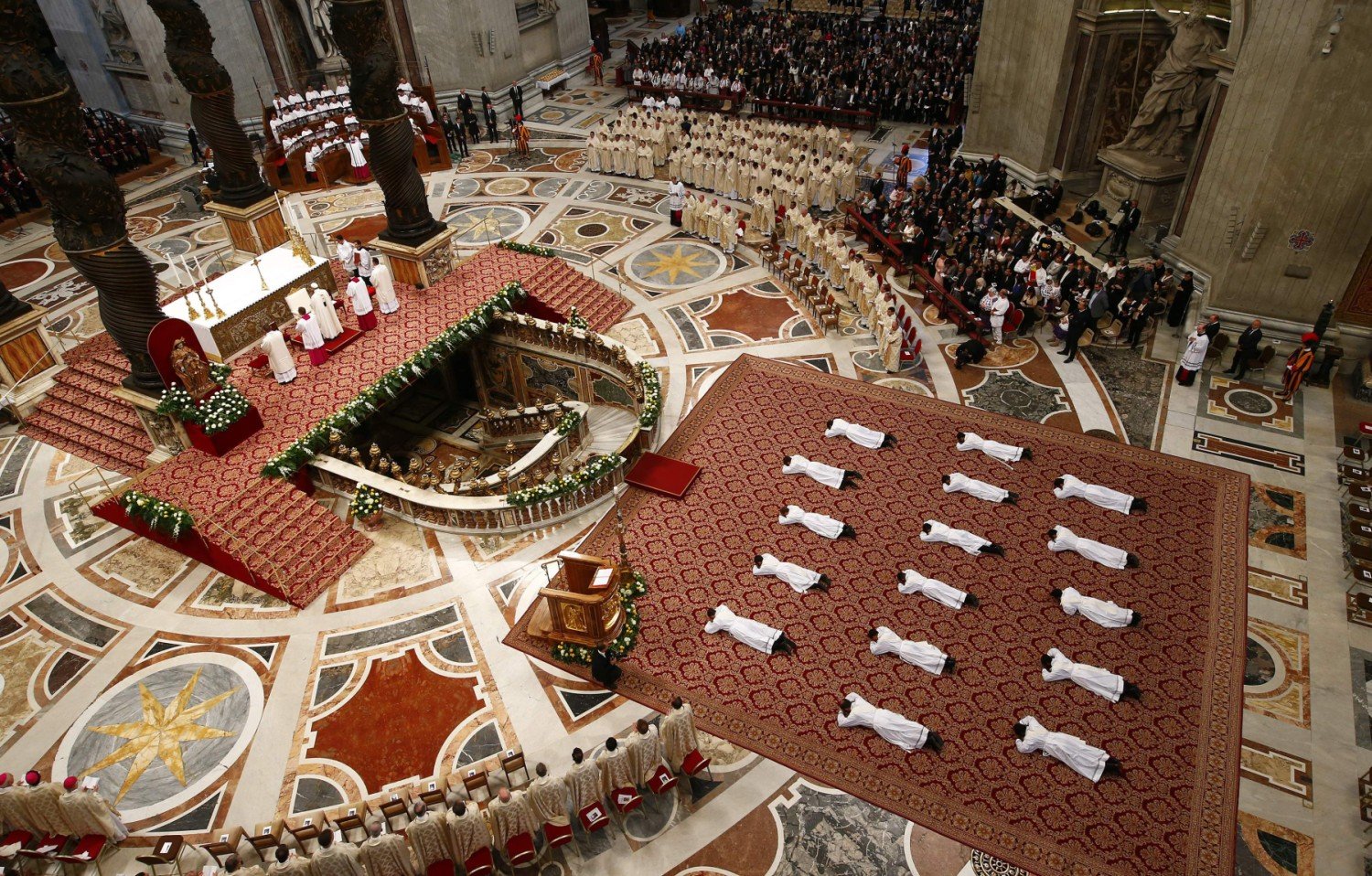
The architecture of Saint Peter's Basilica is based on a plan in the form of a Greek Cross with a dome inspired by that of the huge circular Roman temple, the Pantheon.** A pantheon is a temple built in honour of all the gods of a nation.** The eight-pointed star of venus from the pagan goddess Ishtar is visible in the details on the floor of St. Peter's Basilica.
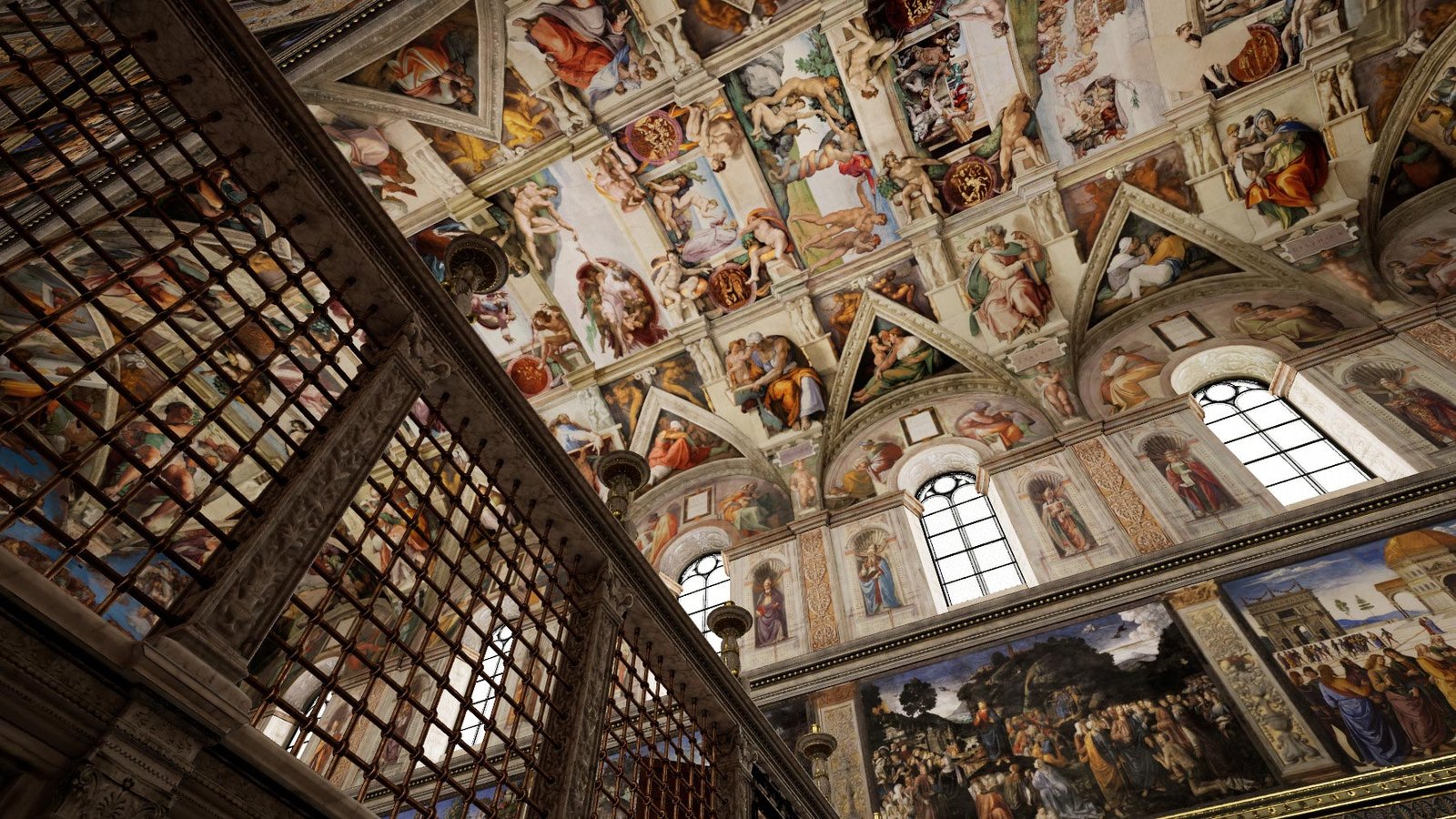
Nino Lo Bello - Incredible Book of Vatican Facts and Papal CuriositiesThe word derives from the Latin "vates", which means "tellers of the future." This name was the name given to a hillside on the west bank of the Tiber River in Rome because daily lineups of fortunetellers used to hawk their "wares" there to passersby on the street.
Wikipedia - VatesThe English-Latin noun vates is a term for a prophet. ... In pagan Rome the vates resided on the Vatican Hill, the Hill of the Vates. The Vatican Hill takes its name from the Latin word Vaticanus, a vaticiniis ferendis, in allusion to the oracles, or Vaticinia, which were anciently delivered on the Vatican Hill.*
Some believe the word Vatican derives from the Latin word "vaticinor" which means "to prophecy". It used to be a place of oracles. Michelangelo painted five pagan prophetesses in the Sistine Chapel: Delphic Sibyl, Persian Sibyl, Cumaean Sibyl, Libyan Sibyl and Erythraean Sibyl. The word "Sibyl" comes from the Greek term Sibylla meaning prophetess.** God clearly warns for such prophetesses...
Leviticus 19:31 (TS2009)Do not turn to mediums, and do not seek after spiritists to be defiled by them. I am YHWH your Elohim.
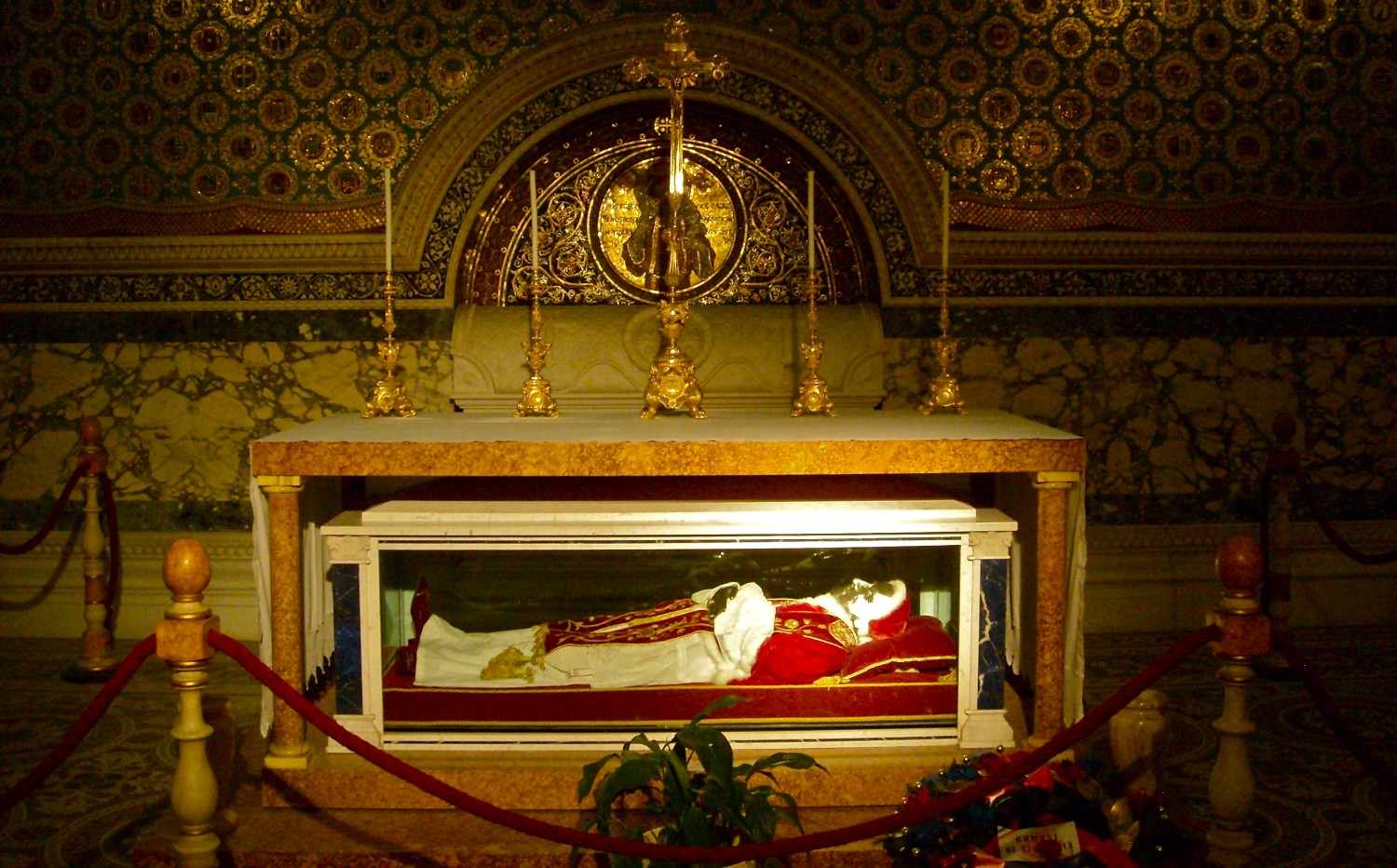
The Vatican is built on top of the Vatican Necropolis.* A necropolis is a large cemetery with elaborate tomb monuments. The word is derived from the Ancient Greek and means "city of the dead".
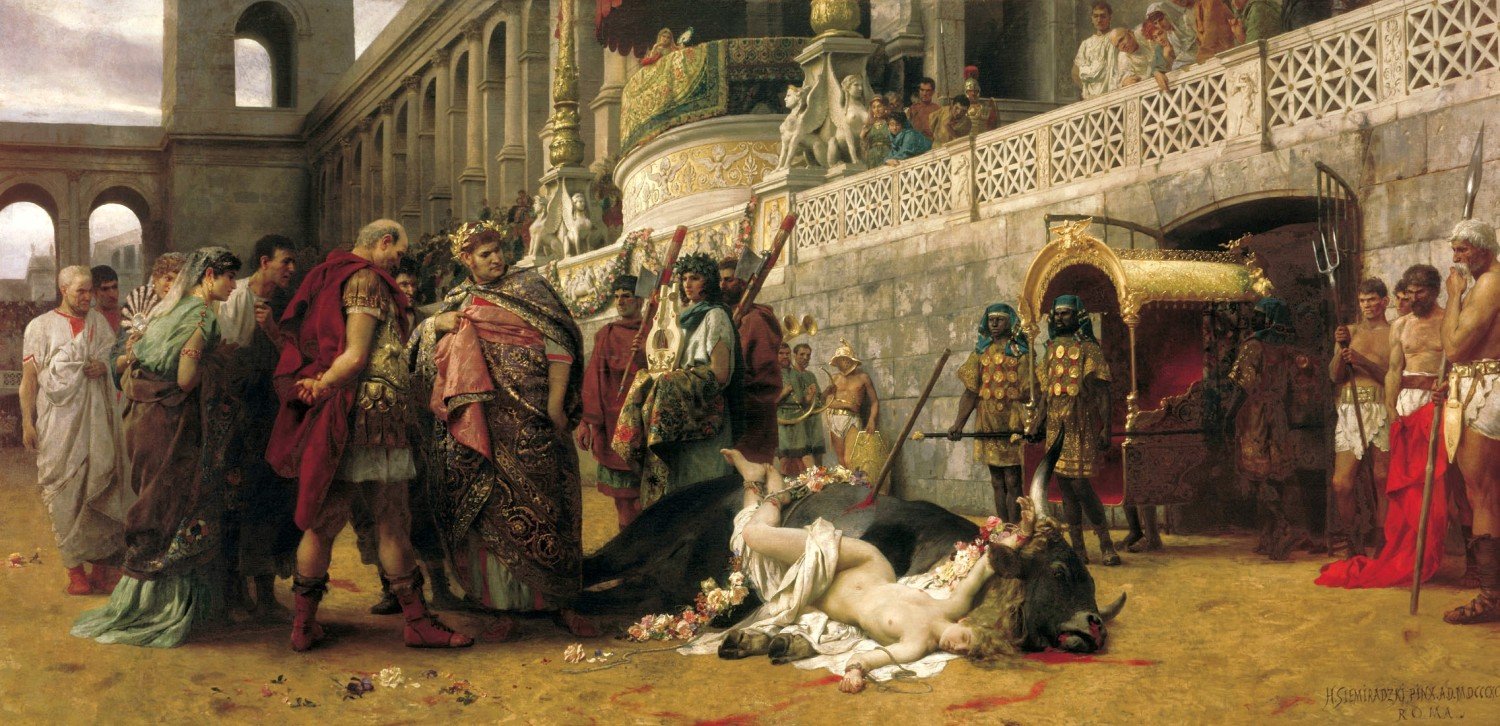
Wikipedia - Circus of NeroThe Circus of Nero ... was a circus in ancient Rome, located mostly in the present-day Vatican City. ... The circus was the site of the first organized, state-sponsored martyrdoms of Christians in 65. ... The obelisk at the centre of this circus's spina always remained standing, until it was re-erected in Saint Peter's Square...*
Nero was a Roman emperor known for the persecution of Christians. The circus where he slaughtered early Christians and others is where the Vatican is now. The Vatican is literally built on paganism and death.