Sun Worship
Cross examination
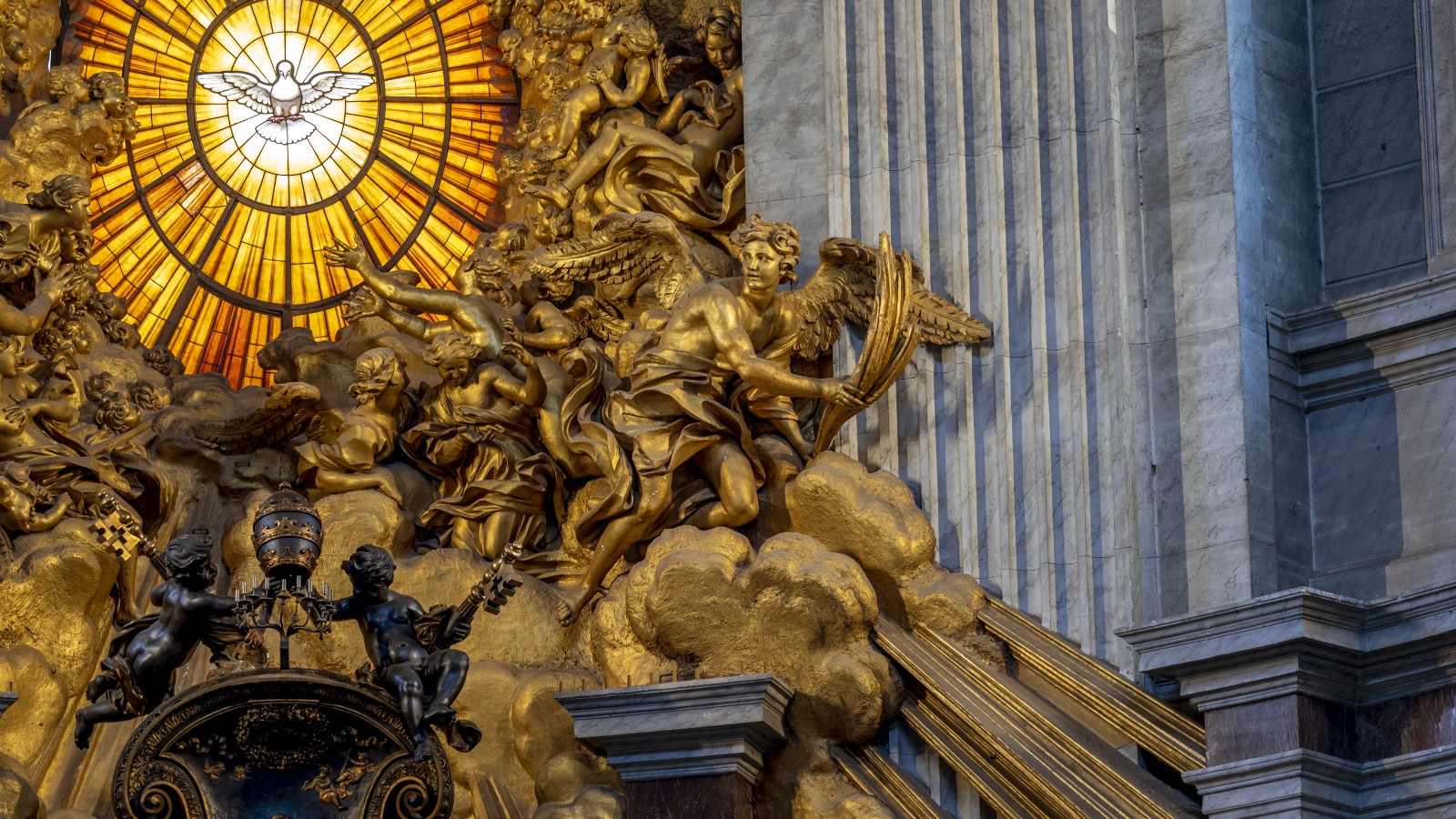
Sun worship is literally everywhere in ancient religions, from Babylon to Rome. See for example solar deities like Shamash, Utu, Winged suns, Ra, Horus, Akhenaten, Aten, Helios, Apollo, Sol Invictus, Mithraism, Mithra. Etcetera. Roman Catholicism, and Christianity in general, is no exception.
The cross

Did the use of the cross as a religious symbol begin with Christianity? Let's zoom in on the word "cross"...

Matthew 10:38 (ESV)And whoever does not take his cross and follow me is not worthy of me.
Most anglicized Bibles, like this English Standard Version, use the word "cross". But the more literal translations of the Scriptures read as follows...
Matthew 10:38 (TS2009)And he who does not take up his stake and follow after Me is not worthy of Me.
Matthew 10:38 (CJB)And anyone who does not take up his execution-stake and follow me is not worthy of me.
These more literal translations from Greek to English use the word "stake".
Wikipedia - StaurosStauros is the Greek word, usually translated cross, that in the New Testament names the device on which Jesus was executed. In the Homeric and classical periods, it denoted an upright pale, pole, or stake, but by the time that Christianity appeared, it came to include a crossbeam.*
The Greek word "stauros" means "stake", not "cross". The Son of God was executed on a stake, not on a cross. Christians changed the meaning of the word "stauros" from stake to cross. Why would they do that?
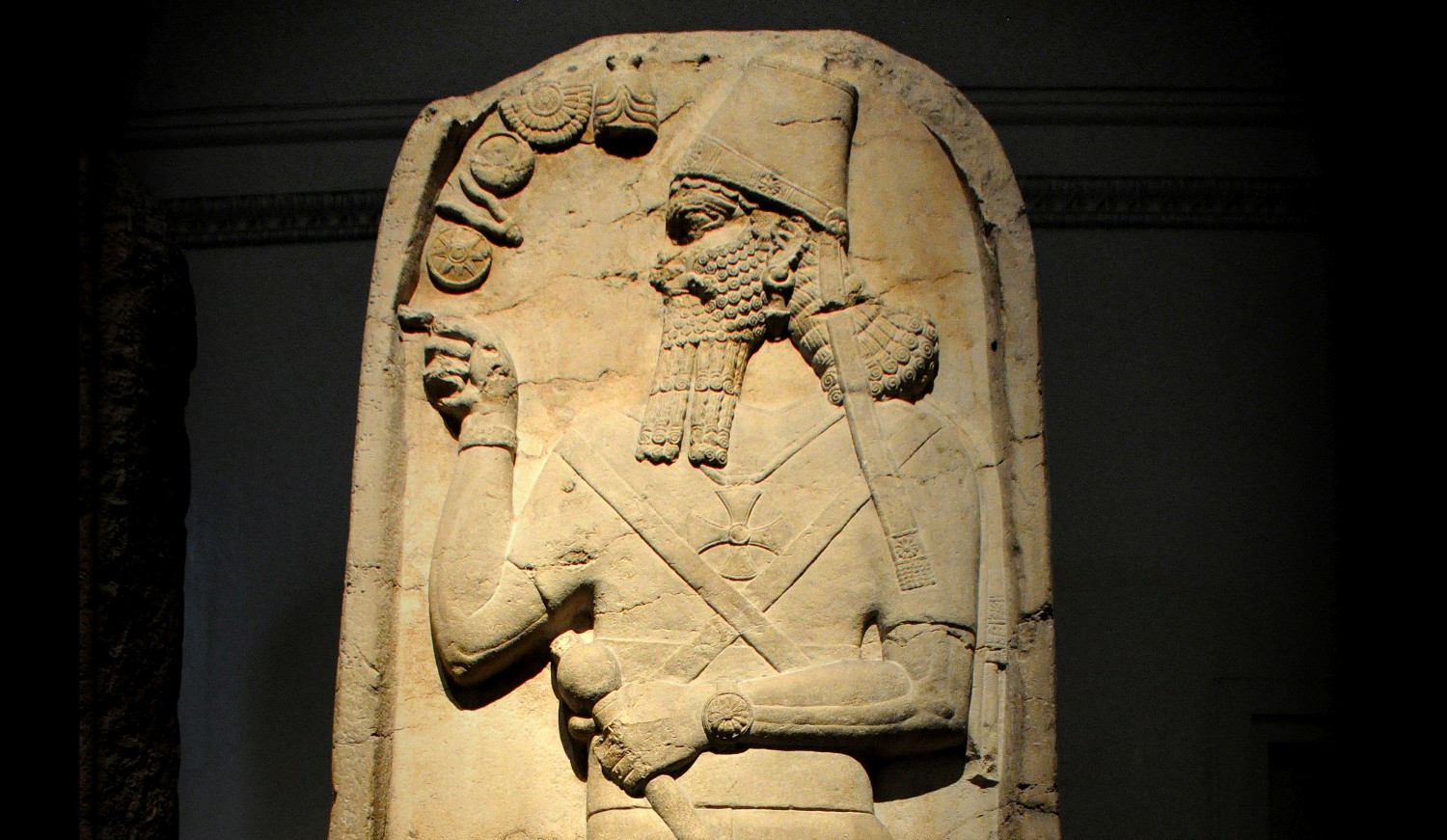 Wikipedia - Celtic crossIt has often been claimed that Patrick combined the symbol of Christianity with the sun cross, to give pagan followers an idea of the importance of the cross by linking it with the idea of the life-giving properties of the sun.*
Cross forms were used as symbols, religious or otherwise, long before the Christian Era.** The Catholic cross is a pagan symbol copied from pagan religions related to sun worship. The Egyptians had the ankh. The Coptic Christians have the coptic cross. Etcetera. In the picture we see pagan Assyrian king Shamshi-Adad V with a sun cross hanging around his neck, just like many so-called Christians today.
Norman S. Prescott - Dual heritage : the Bible and the British MuseumIt may come as a shock to know that there is no word such as "cross" in the Greek of the New Testament. The word translated "cross" is always the Greek word "stauros", meaning a "stake" or "upright pale". The cross was not originally a Christian symbol; it is derived from Egypt and Constantine.
The cross as we know it today in Christianity was an invention by pagan Roman emperor Constantine who played an important role in the history of the pagan Roman Catholic Church.**
Sunday

Sunday was another work day in the Roman Empire. On 7 March 321 Roman Emperor Constantine issued a civil decree making Sunday a day of rest from labor. In Roman culture, Sunday was the day of the Sun god.* According to the Hebrew calendar the sabbath corresponds to the seventh day of the week. It corresponds to the Roman Saturday, named after pagan god Saturn. Constantine changed the sabbath to sunday, a day of pagan sun worship still in effect today thanks to the Roman Catholic Church. He decreed thatAll judges and city people and the craftsmen shall rest upon the venerable day of the sun.* In the photo we see the Arch of Constantine with the Greek pagan sun god Helios on its side.
Xmas

Britannica - Sun worshipDuring the later periods of Roman history, sun worship gained in importance and ultimately led to what has been called a "solar monotheism." Nearly all the gods of the period were possessed of solar qualities, and both Christ and Mithra acquired the traits of solar deities. The feast of Sol Invictus (Unconquered Sun) on December 25 was celebrated with great joy, and eventually this date was taken over by the Christians as Christmas, the birthday of Christ.*
The Scriptures don't mention the date of the birth of the Son of God. 25 December is a very unlikely date.* Nowhere in the Scriptures is mentioned that people should celebrate his birthday or any birthday at all. Celebrating birthdays is unscriptural, a pagan custom. Pope Julius I is said to have set the date for celebrating Christmas on 25 December. Why did he pick that date? Pagan Roman Emperor Aurelian dedicated the Temple of the Sun to Sol Invictus on 25 December 274. The Philocalian calendar of 354 AD gives a festival of "Natalis Invicti" on 25 December.*
Sun obelisk
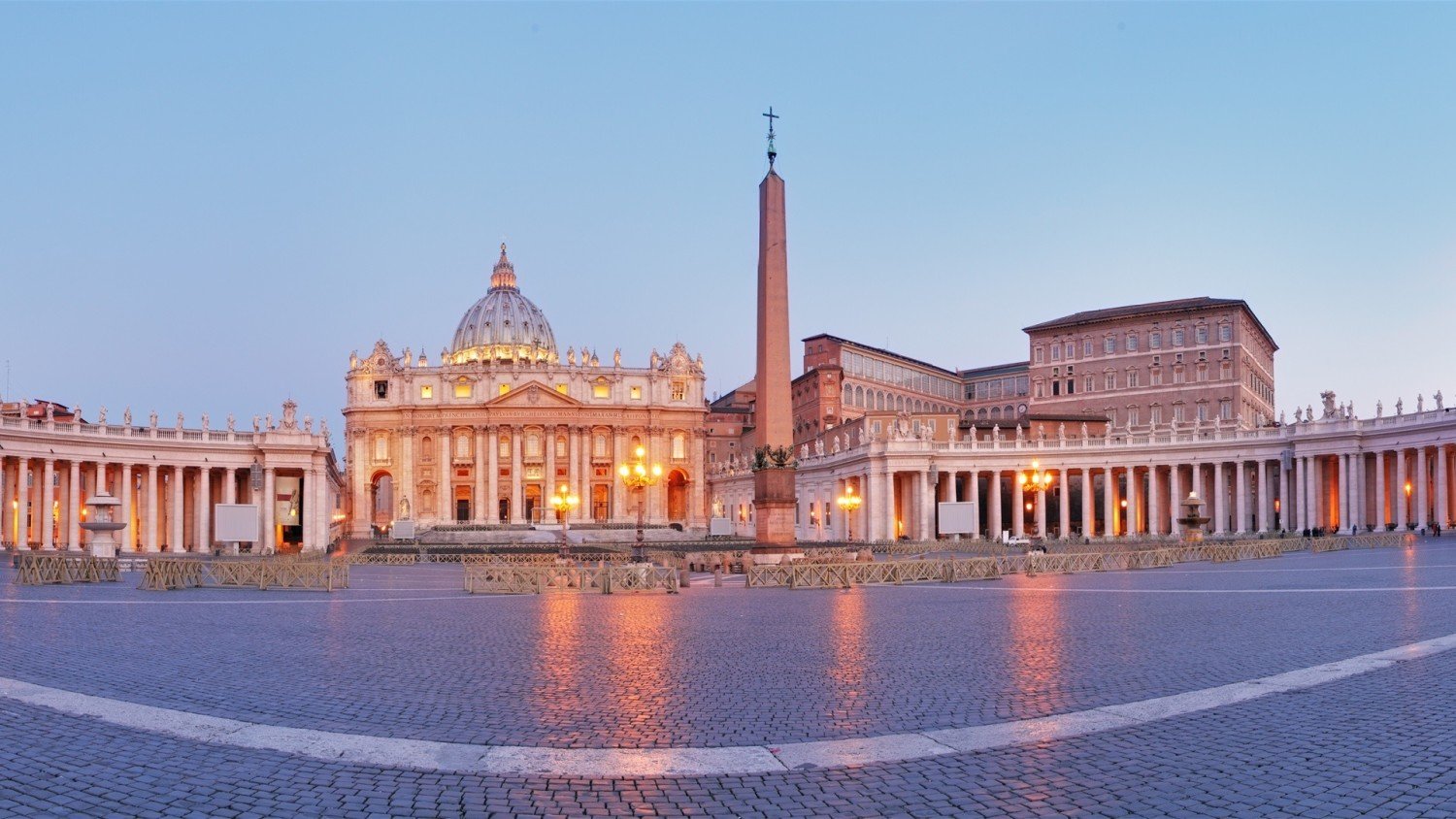
Wikipedia - Heliopolis (ancient Egypt)Heliopolis is the latinized form of the Ptolemaic Greek name Helioúpolis, meaning "City of the Sun". Helios, the personified and deified form of the sun, was identified by the Greeks with the native Egyptian gods Ra and Atum, whose principal cult was located in the city.
The obelisk on St. Peter's Square is a pagan symbol of sun worship stolen from Heliopolis in Egypt. Sun worship mixed into so-called Christianity.
Eye of Horus
Another symbol often found in Catholic buildings is the so-called Eye of Providence, an eye in a triangle often displayed with sun rays. The most common Catholic explanation is that it is the eye of god with the triangle symbolizing the Catholic trinity. But the most obvious connection is with the pagan Egyptian Eye of Horus. Horus was one of the supreme Egyptian gods linked to kingship, the sun and the sky. The Eye of Providence is most famously depicted on the US one dollar bill where it floats on top of a pyramid. Pyramids and obelisks in ancient Egypt were topped by a pyramidion or capstone. For example the Pyramidion of Amenemhat III* contains inscriptions of a winged sun disk which represents the sun god Ra which is closely related to Horus. Pyramidia were often covered with copper or gold to reflect sunlight and inscriptions often invoke solar deities.
Zahi Hawass - The Treasures of the PyramidsThe pyramidion, like the pyramid itself, was a representation of the benben stone—in fact, the word in Egyptian for pyramidion is benbenet. The original benben was kept in the sun temple at Heliopolis, and was a potent symbol of the sun god.
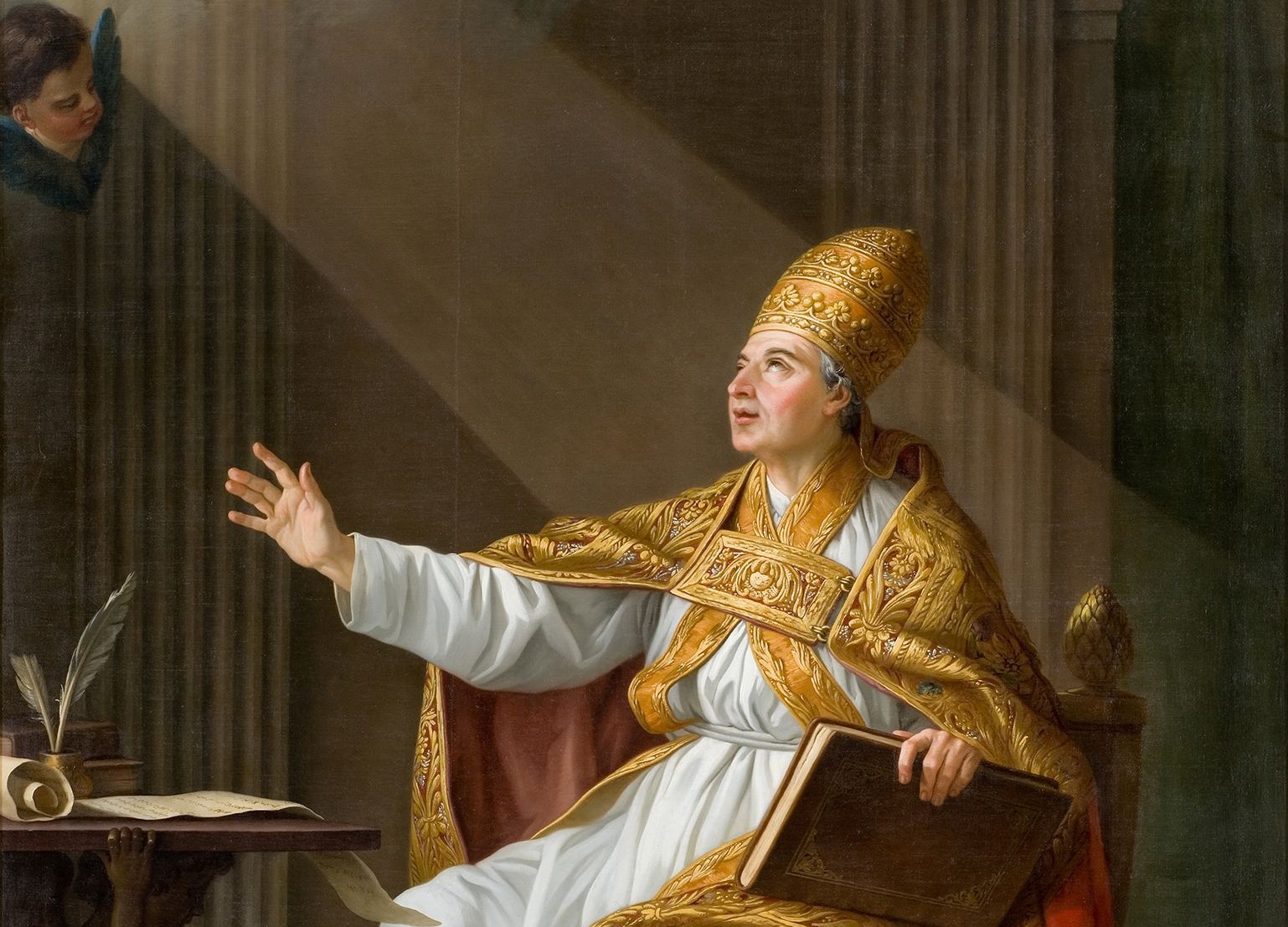 Wikipedia - Papal tiaraThe papal tiara is a crown that was worn by popes of the Catholic Church from as early as the 8th century to the mid-20th. ... The papal tiara originated from a conical Phrygian cap or frigium. ... The words that were used when popes were crowned were: Receive the tiara adorned with three crowns and know that thou art father of princes and kings, ruler of the world, vicar on earth of our Saviour Jesus Christ, to whom is honour and glory for ever and ever.*
The papal tiara appears in the Coats of arms of the Holy See and Vatican City. It symbolises rulership over the whole world. According to the Scriptures the ruler of this world is Satan (John 12:31, 2 Corinthians 4:4). The tiara has its origin in the Phrygian cap*** which is worn by the pagan sun god Mithra* worshipped in mithraism.* This is confirmed by Britannica.*
Another strong link leads to the crowns of Egypt. The Pyramid Texts describe the nature of the pharaoh as Horus during his lifetime. In Utterance 524 it says:
O Horus, meet me, for I wear the White Crown, the Eye of Horus wherewith one is strong.* The White Crown* of Egypt symbolizes the Eye of Horus.
Symbols like the Catholic Eye of Providence and Catholic head wear have nothing to do with the Scriptures and everything to do with ancient pagan religious symbolism related to sun worship which was blend into Catholicism.